The Best Fluffy Pancakes recipe you will fall in love with. Full of tips and tricks to help you make the best pancakes.

Okay, so I fell down a rabbit hole last week. It started innocently enough—I was looking for better meditation music on Spotify because the playlist I’d been using had this one track with random wind chimes that kept startling me out of my zen state. Anyway, I stumbled across all these playlists labeled “432 Hz” and “healing frequency” and my curiosity got the best of me.
What even IS 432 Hz? And why are people claiming it’s some kind of magical frequency that can heal everything from anxiety to chronic pain?
Spoiler alert: I spent the last week diving into research papers, testing different frequencies during my meditation sessions, and honestly? I’m kinda fascinated. Also slightly confused. But mostly fascinated!
Let me break down what I learned about 432 Hz music and whether there’s any actual science behind the hype—or if it’s just another wellness trend that sounds good but delivers nothing (I’m looking at you, celery juice cleanse).
So What Exactly Is 432 Hz Music?
Most music you hear today is tuned to 440 Hz—that’s been the international standard since the mid-20th century. Musicians agreed on it so everyone could play together without sounding like a cat fight. Makes sense, right?
But 432 Hz is slightly lower—about 8 Hz difference, which translates to roughly 32 cents in musical terms (don’t ask me to explain that because I barely passed high school music class). To most people’s ears, 432 Hz sounds slightly… softer? More mellow? Some people describe it as “warmer” or more “natural,” though honestly when I first tried a direct comparison, I couldn’t really tell the difference without focusing super hard.
Here’s where it gets interesting (or woo-woo, depending on your perspective): Proponents claim that 432 Hz resonates more harmoniously with the human body and the natural world. Some even say it aligns with Earth’s natural vibrations—specifically something called the Schumann Resonance, which is around 7.83 Hz. The theory is that this alignment promotes relaxation and spiritual well-being.
Now before you roll your eyes completely, let me say—I was EXTREMELY skeptical about this cosmic alignment stuff too. It sounds like something you’d hear at a crystal shop, right? But I wanted to dig into what actual research says versus what Instagram wellness influencers claim.
The Mental Health Benefits (That Actually Have Some Science Behind Them)
Stress and Anxiety Reduction
This is where things get interesting. Several actual scientific studies have looked at 432 Hz music’s effect on anxiety, and the results are… well, promising!
One study looked at people getting dental work done (already a stressful situation—my palms are sweating just thinking about it), and found that listening to 432 Hz music significantly reduced their preoperative anxiety. Another study with emergency nurses during the COVID-19 pandemic showed that 432 Hz music was effective at reducing stress and anxiety levels.
The theory is that 432 Hz music helps lower cortisol production—that’s your body’s main stress hormone. When cortisol levels drop, you naturally feel calmer and less overwhelmed. I can’t prove it scientifically from my own experience, but I WILL say that my meditation sessions with 432 Hz music do feel more… grounding? Like my brain doesn’t ping-pong between thoughts quite as much.
Could be placebo effect (more on that later), but honestly? If it works, it works!
Better Focus and Mental Clarity
This benefit is mostly anecdotal, but SO many people report that 432 Hz music helps them think more clearly and concentrate better. The idea is that this frequency quiets mental chatter, creating a relaxed but focused state.
I tested this while writing last week—switching between 440 Hz and 432 Hz background music. Did I suddenly become Shakespeare? No. But I did notice I felt less frazzled and more able to stay on task with the 432 Hz tracks. Again, could totally be placebo, but I’ll take what I can get when deadline panic sets in!
Deeper Emotional Connection
Some people find 432 Hz music more emotionally resonant than standard tuning. In music therapy settings, it’s believed to help release emotional blocks and support emotional healing.
I have to admit, this one feels the most “out there” to me—the idea that a specific frequency can unlock emotional energy fields. But I also know that music in general has profound emotional effects on people (I’ve definitely ugly-cried to sad songs more times than I’d like to admit), so maybe there’s something to it?
Enhanced Meditation Practice
This is probably the most common use for 432 Hz music, and it’s where I personally noticed the biggest difference. The calming effect seems particularly helpful for meditation—helping people reach deeper states of mindfulness more quickly.
During my normal meditation practice, my brain usually spends the first 10 minutes resisting and generating a grocery list. With 432 Hz music in the background, I swear I settle in faster. It creates this peaceful atmosphere that makes it easier to let go of that mental chatter and actually… you know… meditate.
Physical Health Benefits (Here’s Where It Gets Murky)
Sleep Improvements
Research suggests 432 Hz music might help people fall asleep faster and experience deeper sleep. One study specifically looked at patients with spinal cord injuries and found improvements in their sleep quality when listening to 432 Hz music.
I tried this for three nights last week—playing 432 Hz music for 30 minutes before bed. Night one: passed out so fast I don’t even remember the music stopping. Night two: took longer but still slept well. Night three: my neighbor decided to practice drums at 11 PM, so all bets were off.
Small sample size, obviously, but the research does show promise here! The calming nature of this frequency seems to quiet the mind and prepare the body for rest.
Pain Relief and Healing
Okay, THIS is where we need to pump the brakes a bit. There are claims floating around that 432 Hz music can promote physical healing and reduce chronic pain, but the scientific evidence here is… thin. Like, really thin.
The theory is that the vibrations of 432 Hz music synchronize with your body’s natural frequencies, potentially aiding in physical recovery. Some people believe it activates the parasympathetic nervous system (your “rest and digest” mode), which reduces stress hormones associated with chronic pain and inflammation.
I want this to be true SO badly—chronic pain is awful, and if music could help, that would be amazing! But we need way more rigorous research before making big claims here. The relaxation effects might indirectly help with pain by reducing muscle tension, but that’s different from directly healing injuries.
Heart Rate and Blood Pressure
Here’s where we have some actual measurable data! One study showed that 432 Hz music led to a noticeable decrease in heart rate (about 4.79 beats per minute) and a slight decrease in respiratory rate compared to 440 Hz music.
Blood pressure showed a slight decrease too, though it wasn’t statistically significant in that particular study. Still, the trend is interesting! Low-frequency music in general has been found to slow heart rate and decrease sympathetic nervous system activity (that’s your “fight or flight” response).
I don’t have a fancy heart rate monitor beyond my smartwatch, but I did notice my resting heart rate seemed slightly lower on days when I used 432 Hz music for meditation. Could be coincidence, could be actual effect—hard to say definitively from my very unscientific experiment!
The Big Question: Is It Real or Just Placebo?
Here’s where I have to be honest with you—the scientific community is pretty divided on this. And by “divided,” I mean many scientists are skeptical while acknowledging we need more research.
The difference between 440 Hz and 432 Hz is SMALL. Only 8 Hz. Many musicians can’t even distinguish between them without a direct comparison. Some researchers argue that our auditory systems simply aren’t sensitive enough to detect clear physiological effects from such minor tuning differences.
Critics point out that many of the claims about 432 Hz—especially the stuff about ancient civilizations using it exclusively or cosmic alignments—are speculative at best and completely made up at worst. There’s not really solid historical evidence for most of these grand claims.
And yes, the placebo effect is DEFINITELY a factor here. If you believe 432 Hz music will relax you, it probably will—because belief itself is powerful! But you know what? I’m not sure that matters as much as we think it does.
If listening to 432 Hz music makes you feel calmer, sleep better, and meditate more deeply—even if it’s partly due to expectation—does it really matter WHY it works? The subjective experience of relaxation and well-being is valid, even if science can’t fully quantify the mechanism.
That said, we DO have some actual studies showing measurable effects on anxiety, heart rate, and sleep quality. So it’s not PURELY placebo. There seems to be something happening, we just don’t fully understand what yet.
How to Actually Use 432 Hz Music (If You Want to Try)
If you’re intrigued enough to experiment, here’s how you can incorporate 432 Hz music into your life:
For Meditation and Mindfulness This is probably the easiest entry point. Search for “432 Hz meditation music” on Spotify, YouTube, or Apple Music (there are TONS of options). Use it as background during your regular practice. I found instrumental tracks work best—lyrics can be distracting when you’re trying to focus inward.
For Sleep Try playing soft 432 Hz music for 30-60 minutes before bed or set it to turn off after you fall asleep. Some people use it all night, but I find that gets annoying if I wake up at 3 AM and can’t turn it off without fully waking up.
For Work or Study If you need background music while working, 432 Hz tracks might help create a calm, focused atmosphere. I’ve been using them while writing, and while I can’t say they’ve made me dramatically more productive, I do feel less stressed during work sessions.
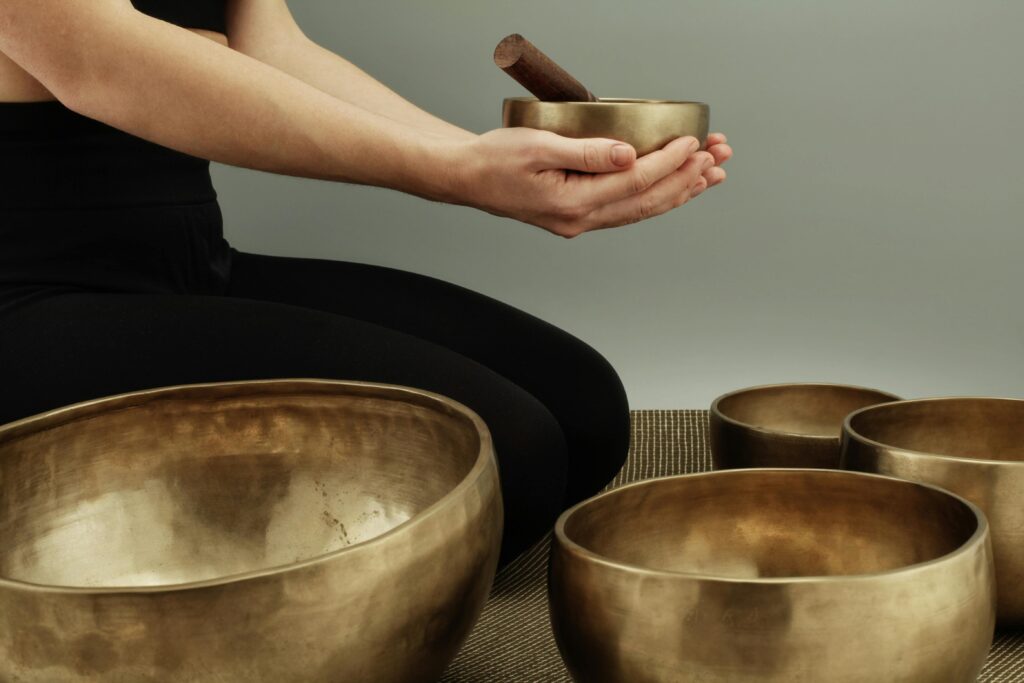
Sound Therapy Tools If you want to get fancy, you can explore 432 Hz tuning forks or singing bowls. These are used in sound therapy sessions and meditation practices. Full disclosure: I haven’t tried these yet because I’m not quite ready to go full woo-woo, but I’m… considering it?
My Honest Take After a Week of Experimentation
Look, I started this journey as a skeptic. I expected to find a bunch of pseudoscience and conclude that 432 Hz music is just another wellness fad with no substance.
But after digging into the research AND testing it myself, I’m… cautiously intrigued? There ARE some legitimate studies showing benefits, particularly for anxiety reduction and heart rate. The effects aren’t earth-shattering, but they’re measurable.
More importantly, my subjective experience was genuinely positive. My meditation practice felt easier and more effective. I slept better (neighbor’s drums aside). I felt slightly calmer during stressful work periods.
Is it magic? No. Will it cure serious health conditions? Absolutely not—please don’t skip your medication to listen to special frequency music! But as a complementary tool for stress management, meditation support, and general relaxation? It seems to have some value.
The bottom line: If you’re curious, try it! It’s free (or very cheap if you buy a dedicated album), has no side effects, and might actually help you feel more relaxed and centered. Worst-case scenario, you discover you prefer regular 440 Hz music. Best case, you find a useful tool for managing stress and improving your meditation practice.
I’m definitely keeping 432 Hz music in my wellness toolkit. Right alongside my foam roller, meditation app, and emergency chocolate stash (hey, chocolate has scientifically proven stress-reducing properties too!).
Have you tried 432 Hz music? Did you notice any difference, or did it seem like hype? I’d genuinely love to hear about your experiences—drop a comment below!
P.S. If anyone has recommendations for good 432 Hz playlists that DON’T include random startling wind chimes, please share. My nervous system would appreciate it!
References
7 Amazing Benefits of Listening to Music with 432 Hertz Frequency (2025)
7 benefits of listening to music with 432 hertz frequency — Calm Blog (2024)
432 Hz Frequency Benefits: 10 Benefits of 432 hz (2025)
Tanasic – EEG study measuring brain reactions to music tuned at 432 Hz versus 440 Hz (2022)